Cowboy T-Shirt Design Vector Graphic: Western Flair for Modern Creators
More Than Just a Graphic: Capturing the Spirit of the West
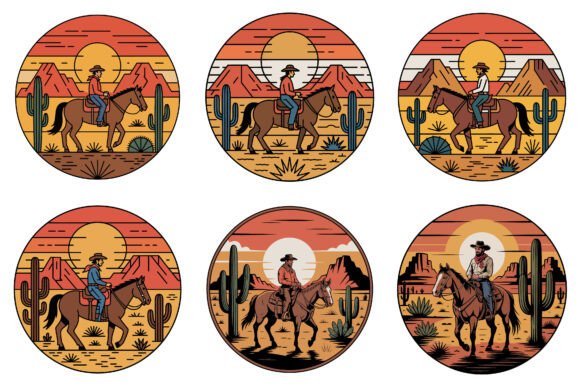
There's a certain timeless quality to Western iconography. It speaks of open ranges, resilience, and a rugged individualism that resonates deeply in modern design. A well-executed cowboy vector graphic isn't just a collection of lines and shapes; it's a narrative tool. The Cowboy T-Shirt Design Vector Graphic package offers exactly that—a set of assets built to inject authentic frontier personality into your projects. This isn't a generic clipart collection. These are thoughtfully crafted vectors designed with the end-user in mind, whether you're a seasoned designer or a small business owner launching your first apparel line.
The visual character here leans into classic Western motifs with a clean, contemporary execution. Think of bold silhouettes of a rider against a sunset, intricate longhorn skulls with detailed line work, or stylized cowboy hats that feel both iconic and fresh. The appeal lies in its versatility. The designs maintain their impact whether scaled up for a back-print on a hoodie or reduced to a small chest emblem on a polo shirt. They carry a sense of authenticity without feeling dated, making them suitable for brands that want to evoke tradition with a modern edge.
Practical Applications: Where This Vector Graphic Shines
The true value of a design asset is measured by its utility. This Cowboy Vector Graphic for T-Shirt Design set is engineered for direct, practical application across a wide range of mediums. The included files—high-resolution PNGs with transparent backgrounds and an editable EPS vector file—provide the flexibility needed for professional workflows.
For apparel designers, this is foundational. The vector format (compatible with EPS 10 and CC) allows for infinite scalability without quality loss, which is critical for screen printing, DTG, and vinyl cutting. You can recolor elements to match specific brand palettes or seasonal trends effortlessly. Beyond T-shirts and hoodies, these graphics translate seamlessly to other products. Imagine a rugged longhorn emblem debossed on a leather wallet, a vintage rodeo scene printed on a ceramic mug, or a detailed cowboy silhouette used as the central motif for a scrapbooking layout. The applications extend to:
- Promotional Merchandise: Stickers, phone cases, and tote bags for events or online stores.
- Digital Content: Social media graphics, website banners, and YouTube thumbnails that need a strong visual hook.
- Print Collateral: Event posters, festival flyers, and band merchandise with a Western or Americana theme.
- Brand Identity: Logo elements for ranches, BBQ joints, craft breweries, or outdoor adventure companies seeking a rugged, trustworthy aesthetic.
The key is that these are ready-to-use design assets. You're not starting from a blank canvas; you're working with a professional-grade foundation that can be customized to fit your specific vision, saving valuable production time.
Integrating the Graphic into Your Design Strategy
Using a strong graphic element like this effectively requires more than just slapping it onto a template. It demands consideration of context, audience, and overall design principles. How will this cowboy vector influence your project's visual hierarchy and brand perception?
First, consider your audience. A design featuring a lone cowboy might appeal to a demographic that values independence and nostalgia, while a graphic with a rodeo scene could target enthusiasts of Western sports or country music. The style of the vector—whether it's highly detailed, minimalist, or distressed—will set the tone. A clean, crisp vector suggests modern professionalism, while a textured, worn effect can evoke vintage authenticity.
Next, think about integration. A powerful graphic like this can become the centerpiece of your layout, or it can serve as a supporting element. Pair it with typography that complements its personality. A bold slab-serif font might mirror the strength of a longhorn graphic, while a classic sans-serif could provide clean contrast. For a cohesive brand identity, use the graphic's style to inform other design choices, like icon sets, border patterns, or color schemes derived from the vector's palette.
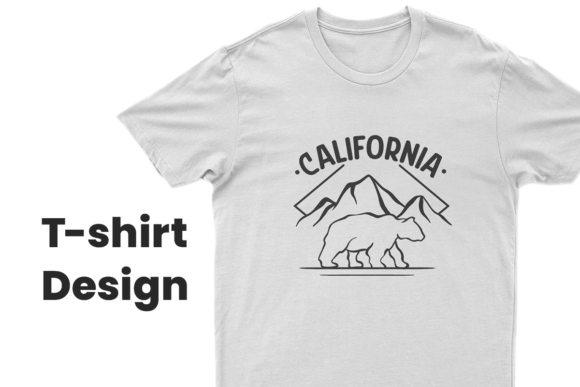
Finally, always test your design in its intended environment. A T-shirt mockup is essential. How does the graphic look on different fabric colors? Does it maintain its detail when printed at scale? Checking the included preview file is a starting point, but creating your own mockups ensures the final product meets professional standards. This proactive approach to evaluation separates amateur projects from polished, market-ready designs.
Choosing and Using Your Design Assets Wisely
When investing in design resources, a discerning eye is your best tool. Not all vector packs are created equal. Look for files that offer true editability, like the provided EPS vector, rather than just flattened images. Check the resolution of the PNG files—300 DPI is the professional standard for print, ensuring crisp results on physical products.
Licensing is another critical checkpoint. Ensure the commercial license aligns with your project's scope, especially if you plan to sell finished products like printed apparel or merchandise. Reputable asset providers will clearly outline permitted uses. The flexibility of this particular set, designed for everything from personal crafts to commercial apparel, makes it a valuable addition to a designer's toolkit.
Before finalizing a design, conduct a simple readability test. View the graphic at a small size on screen and in print preview. Do the key details remain recognizable? Does it communicate its intended theme instantly? This step is crucial for applications like stickers or small embroidery where simplicity often wins. By treating these vector graphics as strategic components rather than mere decorations, you unlock their full potential to elevate your work, connect with your audience, and build a memorable visual presence.